
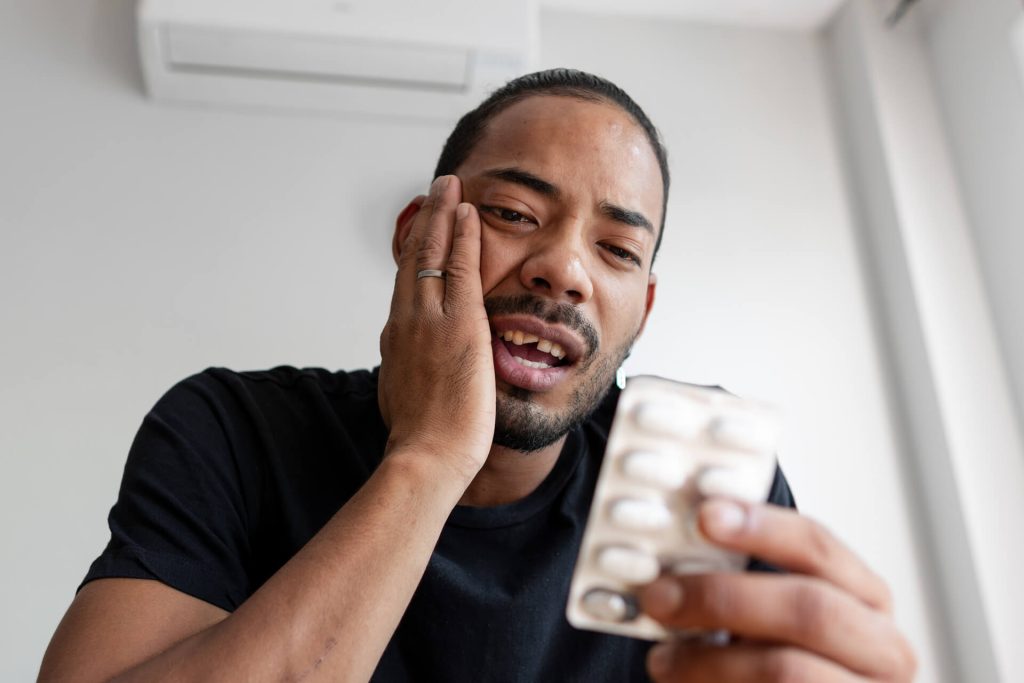
When faced with a dental emergency, it can be challenging to determine the severity of the issue. Did you know that untreated dental trauma can sometimes lead to life-threatening complications? Asking yourself these questions could save your life: Is my toothache normal? Could this gum pain signal something serious? Should I visit the hospital or emergency dentist?
Understanding and responding to dental emergencies is critical for your oral health.
What Is a Dental Emergency?
A dental emergency is any situation that requires immediate attention to save a tooth, stop ongoing tissue bleeding, or alleviate severe pain. These emergencies often extend beyond regular business hours and demand prompt care. Common dental emergencies include severe tooth pain, broken or knocked-out teeth, and significant gum injuries. Recognizing the signs early on can make a significant difference in the outcome of the dental treatment. Ignoring these symptoms can lead to more severe complications, including infections.
What Are the Causes of Dental Emergencies?
- Accidents and Trauma: Physical accidents causing dental trauma like a knocked-out tooth, cracked teeth, or soft tissue injuries.
- Infections: Untreated cavities and gum disease can escalate into dental abscesses or severe oral infections.
- Dental Procedures: Failed or broken dental restorations such as crowns and dentures.
- Sports Injuries: Physical contact sports, without protective gear like mouth guards, can lead to severe dental injuries.
- Orthodontic Emergencies: Mishaps involving braces or other dental appliances leading to discomfort and potential oral damage.
How to Handle Common Dental Emergencies
Severe Toothache
Tooth pain can be debilitating and often indicates an underlying issue, like a dental abscess or infection. Begin by rinsing your mouth with warm water to clean the affected area. Use dental floss to remove any trapped food particles. Apply a cold compress on your cheek to reduce inflammation and dull the pain. Avoid using aspirin or other painkillers directly on your gums, as it could burn the soft tissues. Seek dental care promptly to diagnose and address the source of pain.
Badly Cracked Tooth
A cracked or broken tooth can pose severe risks, including structural damage and infection. To clean the area, rinse your mouth gently with warm water. Apply a cold compress to your face to minimize swelling and pain. Avoid eating or drinking until you can see a dentist. Over-the-counter medicines can help manage discomfort temporarily. Dental treatment will likely include a dental crown to protect the tooth.
Knocked-Out Tooth
A knocked-out tooth is a dental emergency that requires immediate action to save the tooth. Pick up the tooth by the crown, avoiding the root, and rinse it with warm water. If possible, reinsert the tooth into the socket and hold it in place using a piece of gauze. If reinsertion is not possible, place the tooth in a basin of water or milk to preserve it. See a 24-hour dentist within 30 minutes to enhance the chances of saving the tooth.
Extruded (Partially Dislodged) Tooth
An extruded tooth is an urgent situation requiring immediate dental care. Avoid touching the tooth root, and rinse your mouth with warm water. Use a cold compress on your cheek to reduce swelling. Holding the tooth in its place using cotton balls until you reach a dentist can prevent further damage. Prompt, professional attention will determine the necessary dental treatment for stabilizing the tooth.
Dental Abscess
A dental abscess is a localized infection that can lead to severe health issues if left untreated. Symptoms include severe pain, swelling, fever, and a bad taste in the mouth. Rinse with a warm salt water solution to help draw out infection and relieve pain. Apply a cold compress to the area to reduce swelling. Seek dental care immediately, as drainage via tooth extraction or root canal might be necessary. Delay in treatment could cause the infection to spread, becoming life-threatening.
Lost or Broken Dental Restoration
Lost or broken dental restorations, like dental crowns or fillings, expose the tooth to further damage and infection. Temporarily cover sharp edges with dental cement, a piece of gauze, or sugar-free gum. Avoid eating hard or sticky foods that could worsen the damage. Over-the-counter pain relief can help manage any discomfort. Visit your dentist as soon as possible to repair the dental restorations and prevent further issues.
Severe Soft Tissue Injury
Injuries to the soft tissues of the mouth can include lacerations to the gums, cheeks, or tongue. Rinse your mouth with warm water and use a piece of gauze or a clean cloth to apply pressure to any bleeding area. Use a cold compress to reduce swelling and pain. Avoid consuming hot and spicy foods that may irritate the injured area. Seek dental or hospital care, depending on the severity of the injury, to ensure proper treatment and recovery.
What Should You Do During a Dental Emergency?
Stay Calm and Assess the Situation
Keeping calm is essential to handle dental emergencies effectively. Evaluate the severity of the injury and decide whether it warrants immediate dental care or a dental visit to a hospital emergency room. A quick and composed assessment helps determine the appropriate response. If in doubt, always seek professional medical advice to avoid complications. Acting swiftly can make a significant difference in the outcome.
Use Immediate Care Techniques
Employing first-aid measures can provide temporary relief and prevent further damage. These include rinsing your mouth with warm water, using cold compresses for swelling, and applying a piece of gauze to control bleeding. Over-the-counter pain relievers can help manage pain. Temporary solutions such as dental cement or cotton balls might hold restorations in place until professional care is provided. These techniques are vital for managing discomfort and preventing the worsening of the condition.
Seek Professional Care Promptly
Contact emergency dentists or visit a 24-hour dental clinic as soon as possible. Prompt, professional intervention ensures proper treatment, reduces the risk of complications, and addresses any infection. Delaying professional care may exacerbate the issue, leading to more extensive and costly treatments. Timely care is essential in saving teeth and maintaining overall oral health. Don’t disregard the urgency of seeking professional help during a dental emergency.
Maintain Oral Health Practices
Regular oral health practices can prevent many dental emergencies. Brush and floss daily, wear a mouth guard during sports and visit your dentist for routine check-ups. Such preventive measures can mitigate the risk of mouth trauma and infections. Educating yourself and your family about oral health can also help recognize early signs of potential dental issues. Proactive care contributes to overall well-being and can reduce emergency dental situations.
Prepare for Dental Emergencies
Having a dental emergency kit at home can be extremely beneficial. Include items like dental cement, cotton balls, gauze pads, pain relievers, and a cold compress. Knowing the contact information for your dentist and the nearest emergency dental services is crucial. Preparation can make a significant difference in managing dental emergencies effectively. Being prepared equips you to handle unexpected situations calmly and efficiently.
Handling Dental Emergencies? Contact Grand Oaks Dental Care Today
Recognizing and responding to dental emergencies promptly is crucial for preventing further complications and ensuring quick recovery. Don’t ignore the signs of a dental emergency, as ignoring them could lead to severe and life-threatening situations.
At Grand Oaks Dental Care, your comfort and well-being are our top priorities. Whether you’re facing a life-threatening dental emergency during regular business hours or need a 24-hour emergency dentist, we’re here to help.
Contact us immediately if you suspect a dental emergency. Our team is dedicated to providing exceptional dental services with a personal touch, ensuring you receive the urgent care you need in a compassionate and professional environment.


